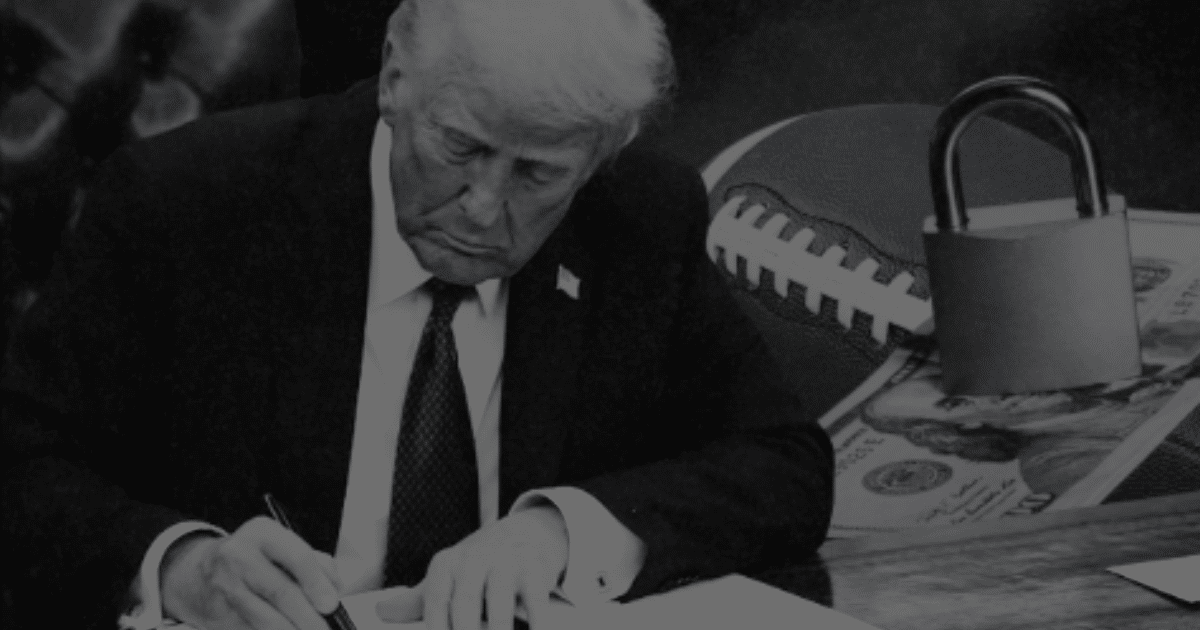
President Donald Trump may soon sign an executive order targeting college athletes’ NIL (Name, Image, and Likeness) earnings. This Trump NIL regulation could dramatically reshape how much athletes can earn—and just as importantly, how that money is taxed and managed.
While the proposed regulation is still in early stages, its implications could ripple across athlete finances, school programs, and even IRS reporting rules. For athletes and families navigating this space, understanding the potential tax and financial consequences is just as important as the politics behind it.
Let’s dive into what we know and what athletes should watch for.
Key Features of the Trump NIL Regulation
According to early reports and campaign insiders, the executive order could include:
- A federal cap on NIL earnings per athlete
- Stricter oversight of NIL contracts through the Department of Education or Commerce
- Limits on types of sponsors, including alcohol, gambling, and adult entertainment
- New reporting requirements for NIL deals exceeding a set threshold
- Greater regulation of booster-led collectives and how they contribute to recruiting
While some see this as a return to structure and fairness, others believe it threatens athletes’ rights and introduces unnecessary bureaucracy.
Tax & Financial Implications for Student-Athletes
Whether or not this executive order goes into effect, any athlete earning NIL income needs to consider the tax and financial realities that come with it. The Trump NIL regulation would likely intensify those concerns by imposing tighter earnings and possibly new financial compliance rules.
Here’s what athletes (and their families) should be thinking about:
1. Reduced Earning Potential = Smaller Tax Burden
If the regulation places a cap on NIL earnings (e.g., $50,000–$100,000/year), athletes in high-value deals would see their income—and by extension, their federal and state income tax liability—drop significantly.
Implication:
- Some top-tier athletes could go from paying six-figure taxes to barely meeting taxable thresholds.
- Others may try to defer compensation or restructure deals.
2. New Reporting Rules Could Trigger Audits
If the Trump NIL regulation includes mandatory reporting to a federal agency, that data may also be shared with the IRS, making under-the-table NIL deals or informal “gifts” from boosters much riskier.
Implication:
- Athletes may face increased audit risk.
- Universities may be required to educate or assist athletes with tax compliance.
3. More Complexity = Higher Demand for Financial Advisors
With tighter limits and scrutiny, athletes may need accountants, tax advisors, or even fiduciaries to help them navigate contract structures and ensure compliance.
Implication:
- Tax planning (e.g., entity formation like LLCs or S Corps) could become less attractive under capped NIL income.
- Athletes may be discouraged from investing in long-term financial literacy due to lower earnings.
4. Legal Loopholes and Structuring Risks
Depending on how the regulation is written, athletes (or their agents) may attempt to sidestep caps through:
- Deferred compensation
- Equity stakes instead of cash
- Licensing deals under LLCs
Implication:
- The IRS could step in to challenge any perceived “evasion.”
- Athletes may need legal counsel to structure deals properly—raising costs.
Who Gains, Who Loses?
Athletes in major sports (football, basketball):
- Lose access to six- or seven-figure NIL deals
- Gain some clarity—but lose financial flexibility
Smaller schools and athletes in non-revenue sports:
- May see more parity
- Still face financial obstacles unless sponsorship caps are tailored by sport
Universities:
- May welcome federal oversight
- Risk losing top talent to pro leagues, G-League, or international teams
FAQ: Trump NIL Regulation & Taxes
Q: If athlete earnings are capped, do they still owe taxes?
A: Yes. NIL income is taxable regardless of the amount, though lower earnings would reduce the total tax owed. Athletes still need to file with the IRS and, if applicable, state tax agencies.
Q: Will this executive order change IRS policy?
A: Not directly. The Trump NIL regulation might trigger new reporting rules, but only Congress or the IRS can change tax laws or filing thresholds.
Q: Can athletes use LLCs or trusts to lower taxes?
A: Possibly—but with earnings capped, many athletes may not earn enough to justify complex entity structures. It’s case-by-case.
Q: What happens to existing NIL contracts?
A: That depends on whether the regulation is retroactive. If it only applies to new deals, existing contracts might remain valid—but subject to new oversight.
Q: Should athletes still seek financial guidance?
A: Absolutely. Even modest NIL income needs proper budgeting, tax withholding, and planning to avoid IRS issues down the line.